Keeping Pace with the Shift: On-the-Ground Takeaways from ICNMD Florence and the New Realities of Pharma Engagement

If there is one thing that working in the international medical congress sector teaches you, it is that agility is everything. Schedules shift, plans evolve, and true teamwork often means stepping into the gap at a moment’s notice.
Recently, when a colleague was unable to make a critical last-minute trip to the International Congress on Neuromuscular Diseases (ICNMD) in Florence, I packed my bags and stepped up to represen
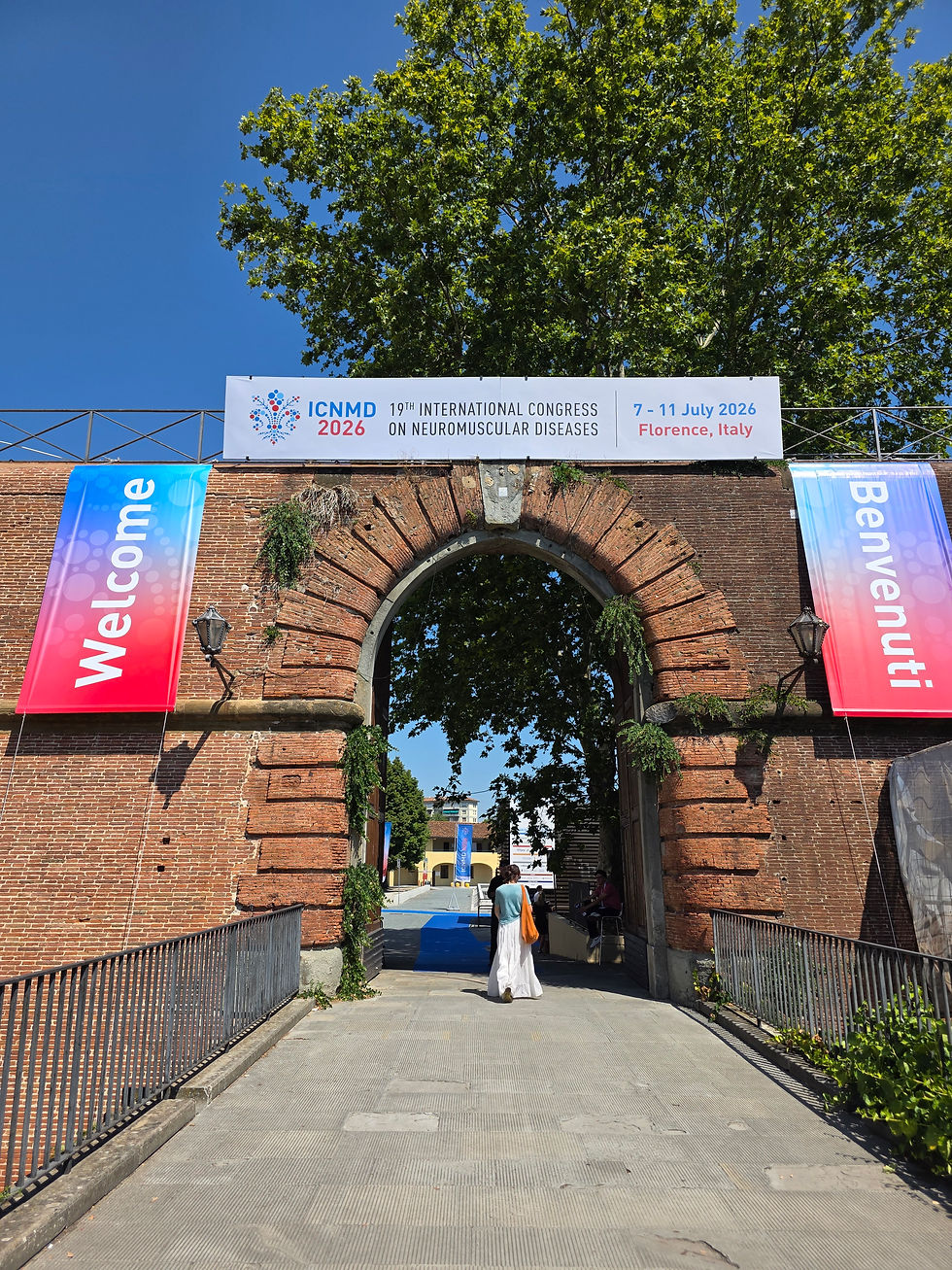
t our team. For me, that’s exactly what professional collaboration is about—ensuring that our partners experience seamless, high-level continuity no matter what happens behind the scenes.
But beyond the immediate value of supporting the team, spending a week on the exhibition floor in Florence provided a fantastic opportunity to take the pulse of the market. Walking the aisles, meeting face-to-face with industry leads, and assessing the commercial footprint of a major congress always yields on-the-ground intelligence that you simply cannot get from a virtual meeting or a slide deck.
Here are a few key observations on how the landscape is shifting and what it means for the future of medical congress partnerships.
1. The Data-Driven Commercial Shift
One of the most prominent takeaways from my discussions—particularly with established market leaders like Novartis—is just how analytical the corporate decision-making process has become.
Major pharmaceutical companies are no longer investing in exhibition footprints out of habit or general brand visibility. Instead, they are hyper-focused on historical metrics and granular demographic reporting. They want to know exactly who is walking the floor:
What percentage of the delegation consists of practicing Healthcare Professionals (HCPs)?
What specific territorial markets do they represent?
How deeply do the delegates' sub-specialties map against the company's active therapeutic pipeline?
As professionals in the congress space, our value proposition must evolve to meet this demand. Success now relies on our ability to deliver deep, robust data packages that prove a clear alignment between our scientific program and a sponsor’s specific corporate objectives.
2. Emerging Biotechs and Strategic Market Entry
On the other end of the spectrum, speaking with mid-sized and emerging European and North American biotech firms revealed a completely different, yet equally compelling trend.
Many of these specialized companies currently have little to no physical baseline or commercial infrastructure in regions like Africa. However, their strategic focus is widening. For these players, a large-scale international platform—such as the upcoming World Congress of Neurology (WCN 2027) in Cape Town—is viewed as a highly efficient, low-overhead entry point.
By engaging with a global congress, these emerging companies can test the waters, gather regional insights, and gain high-value international client exposure without the immediate need for heavy localized investments. Recognizing these distinct motivations allows us to tailor our industry packages, positioning our events not just as a standard exhibition space, but as a strategic gateway to underserved markets.
3. Seamless Integration: The Event Logistics Standard
Beyond the strategic discussions, a great event is always defined by how effectively it connects people. From the sponsored directional signage stretching all the way to the Florence train station to the layout of the exhibition hall itself, ICNMD did a brilliant job of demonstrating how physical logistics drive commercial engagement.
By interspacing food, beverage, and networking lounges directly within the center exhibition rows, the layout naturally sustained footfall and created spontaneous opportunities for face-to-face dialogue. Even when digital tools—like event container apps—throw unexpected curves, a strong, well-mapped physical environment keeps the community connected.
Finding the Balance
Of course, traveling for business shouldn't be entirely transactional. Being in Florence meant I absolutely had to find a bit of balance—which, naturally, took the form of seeking out the city's best authentic Italian gelato between intense floor rounds. It’s a tough job running around a castle-walled venue all day, but someone has to do it!
Ultimately, returning from Florence reinforced why I love this industry. Stepping up to support my team gave me a fresh perspective on where our field is heading. The commercial drivers behind pharmaceutical sponsorships are becoming more specialized, deliberate, and data-dependent. For those of us navigating these partnerships, the goal is clear: we must continue to listen closely, adapt our platforms dynamically, and deliver the precise value our partners need to drive the future of medicine forward.


Comments